01The challenge
A fleet is only as dependable as the checks behind it, and most of those checks were done by hand.
Machines in one place, the work in another
Black Control Box serves a forklift distributor that needed a clearer view of its machines and their maintenance. Operating hours were read on site, so the service team struggled to know which machines were due, and late checks raised the risk of missed service intervals.
The work itself was spread across Google Tasks, WhatsApp and accounting software. Important details lived with one person, which made handovers hard.
How service work ran before
- Operating hours checked by hand, on site
- Tasks split across Google Tasks, WhatsApp and accounting software
- Paper service records that were easy to lose and hard to keep current
What BCB Cloud does instead
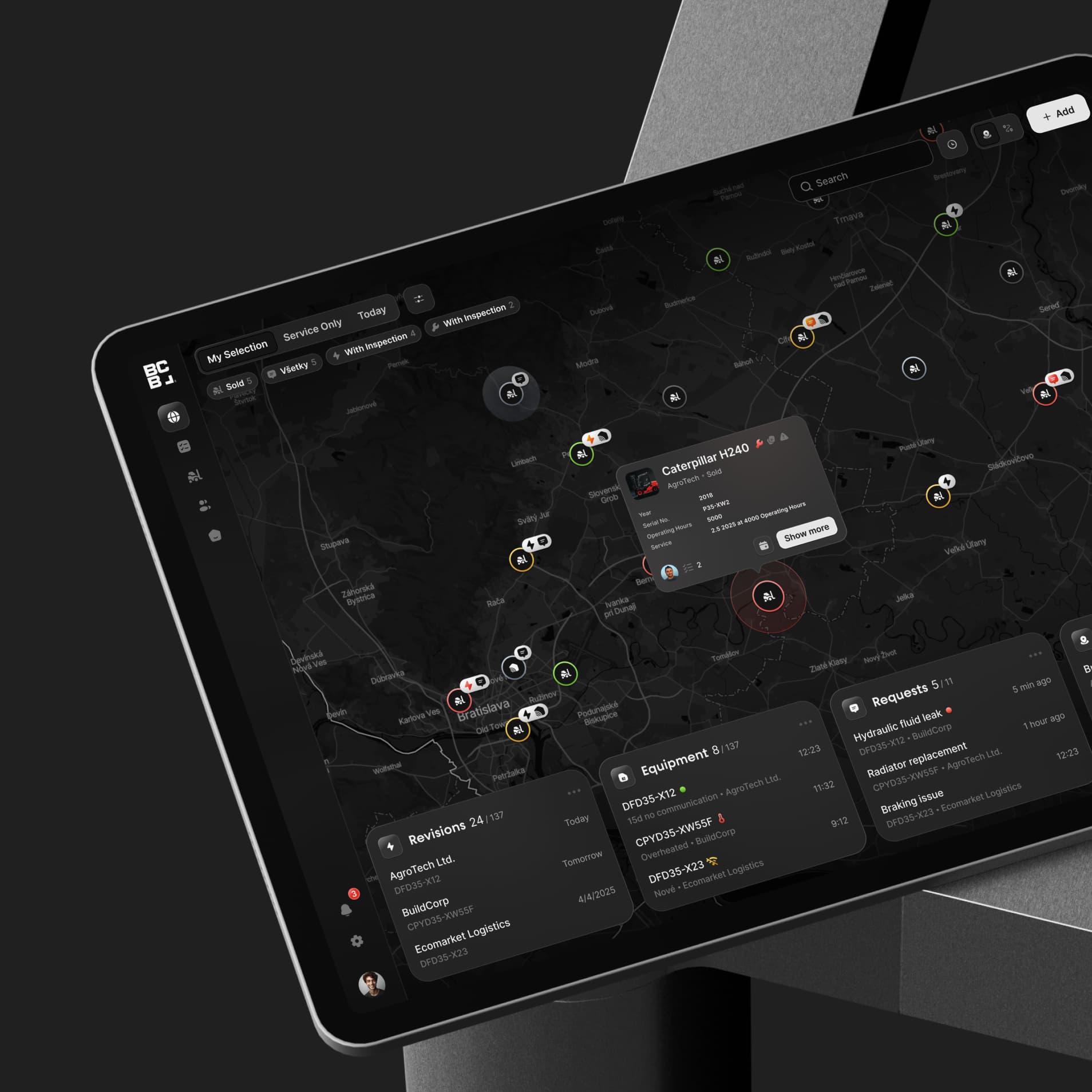
- Machine readings on a shared map, monitored remotely
- Service tasks created from each machine's service interval
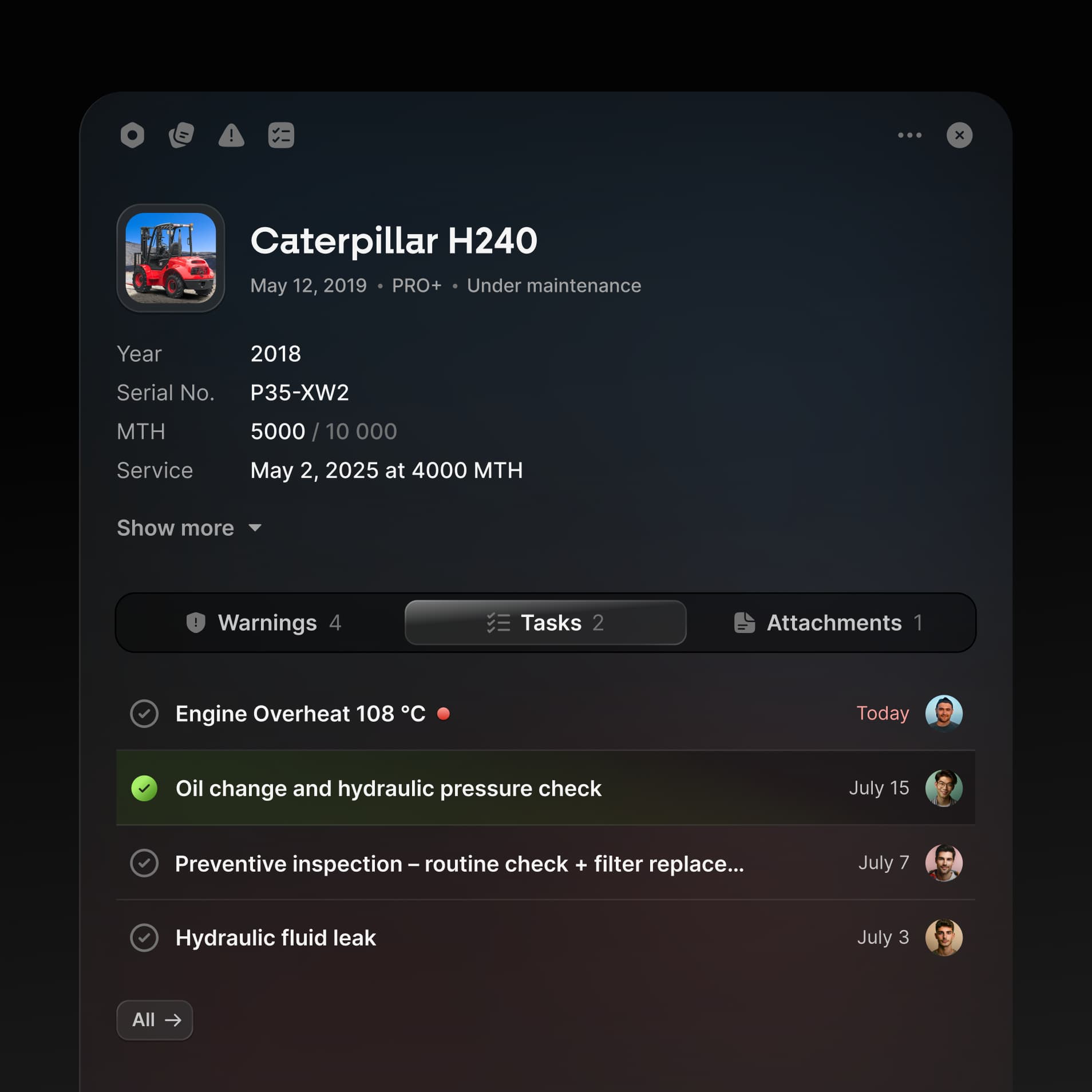
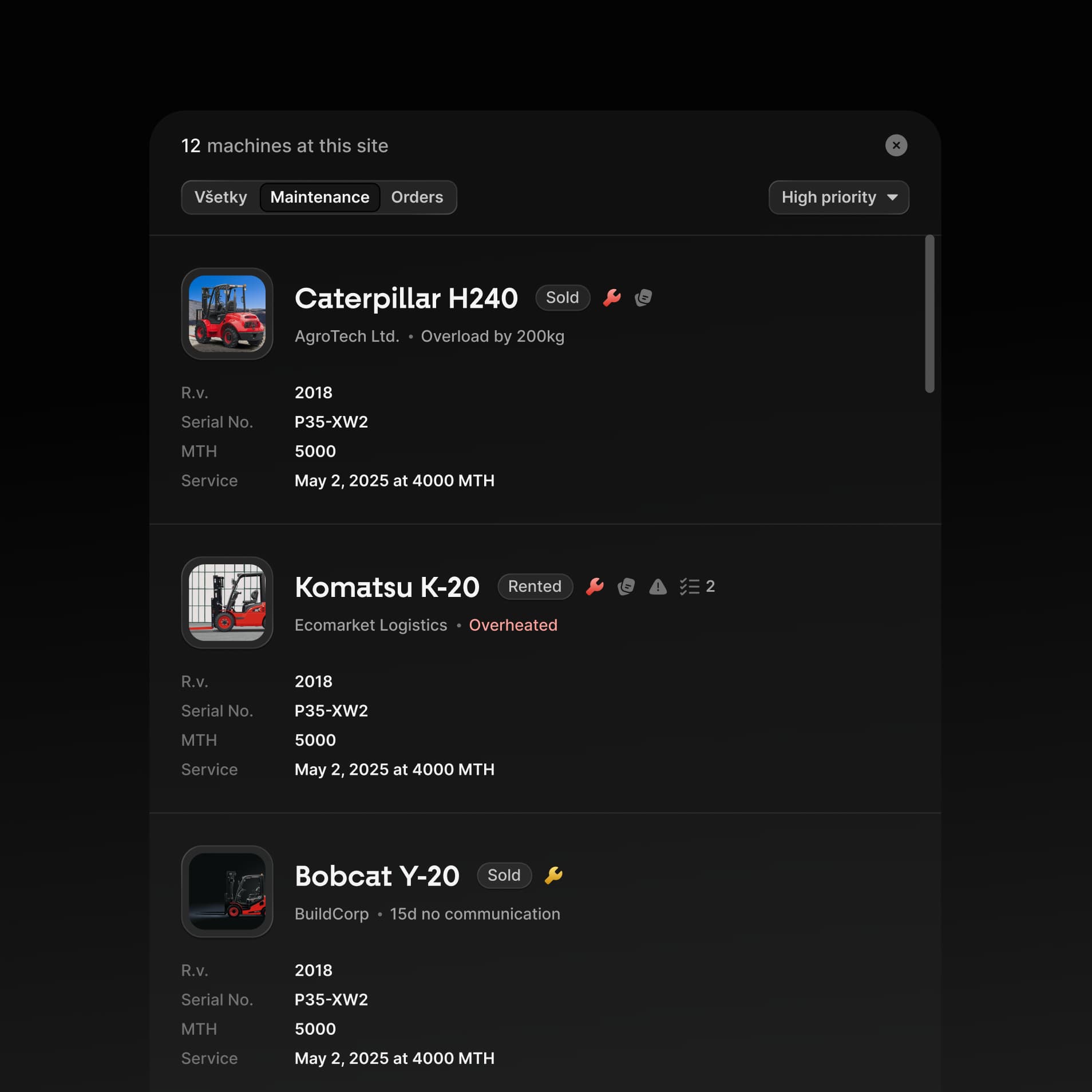
- One record per machine: readings, warnings, tasks and history
02Strategy
Start from the work, then connect the machine
Hardware projects often begin with the device and hope the workflow follows. We began with the service team's day: what they need to know, when, and what they do about it. The platform was designed around that, and the hardware readings were wired in to feed it.
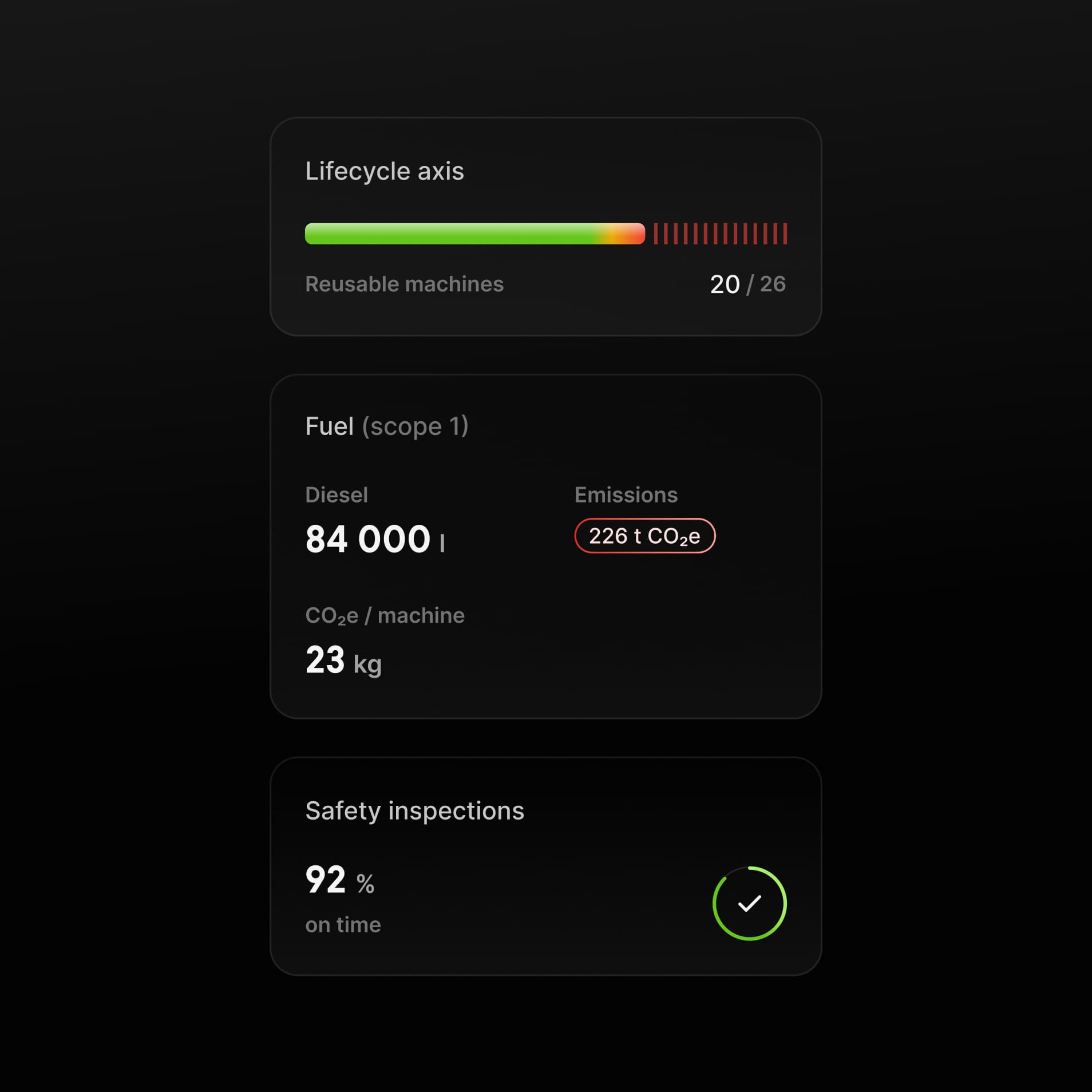
Usage drives the schedule
03Platform
Monitoring without driving out to check
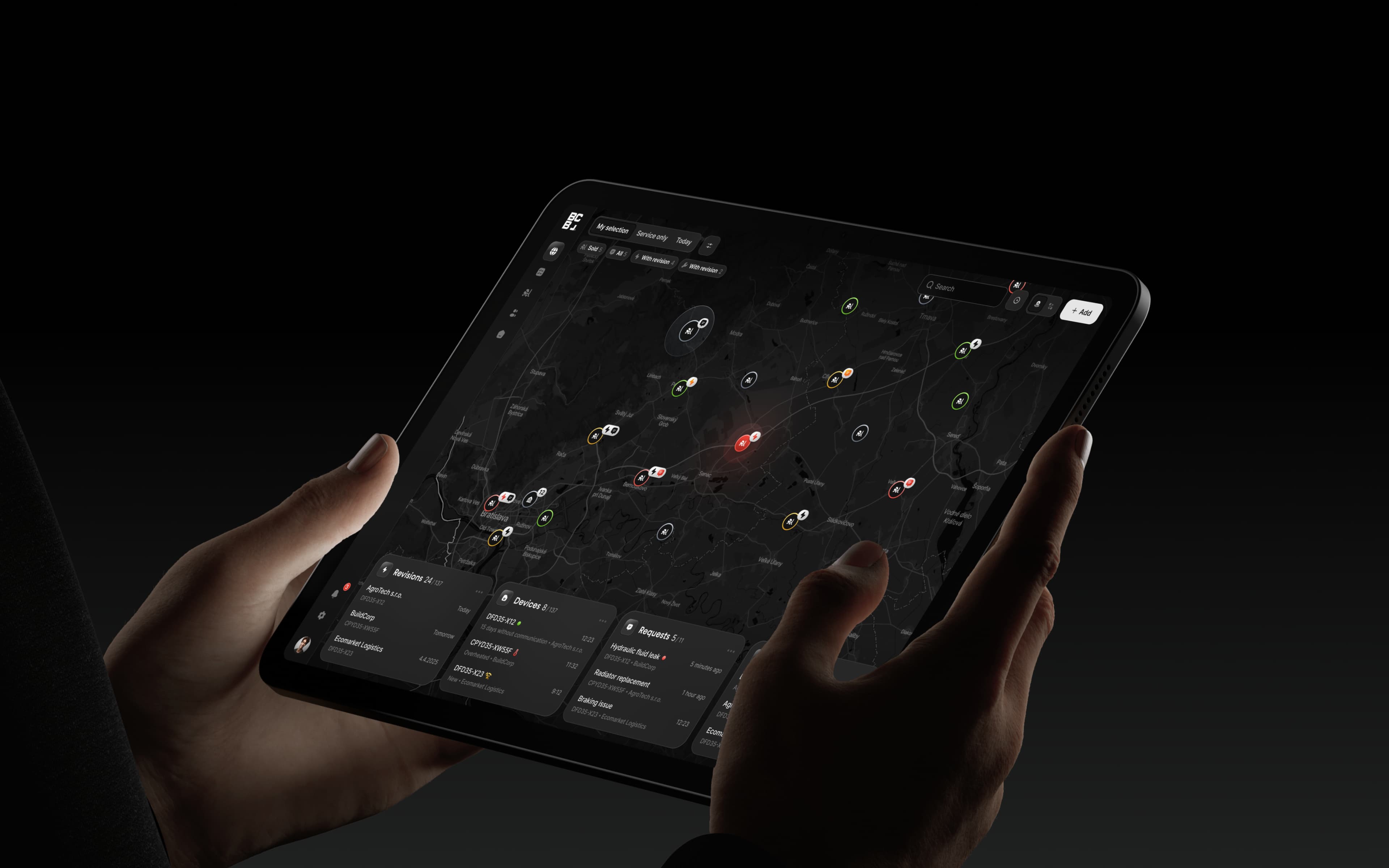
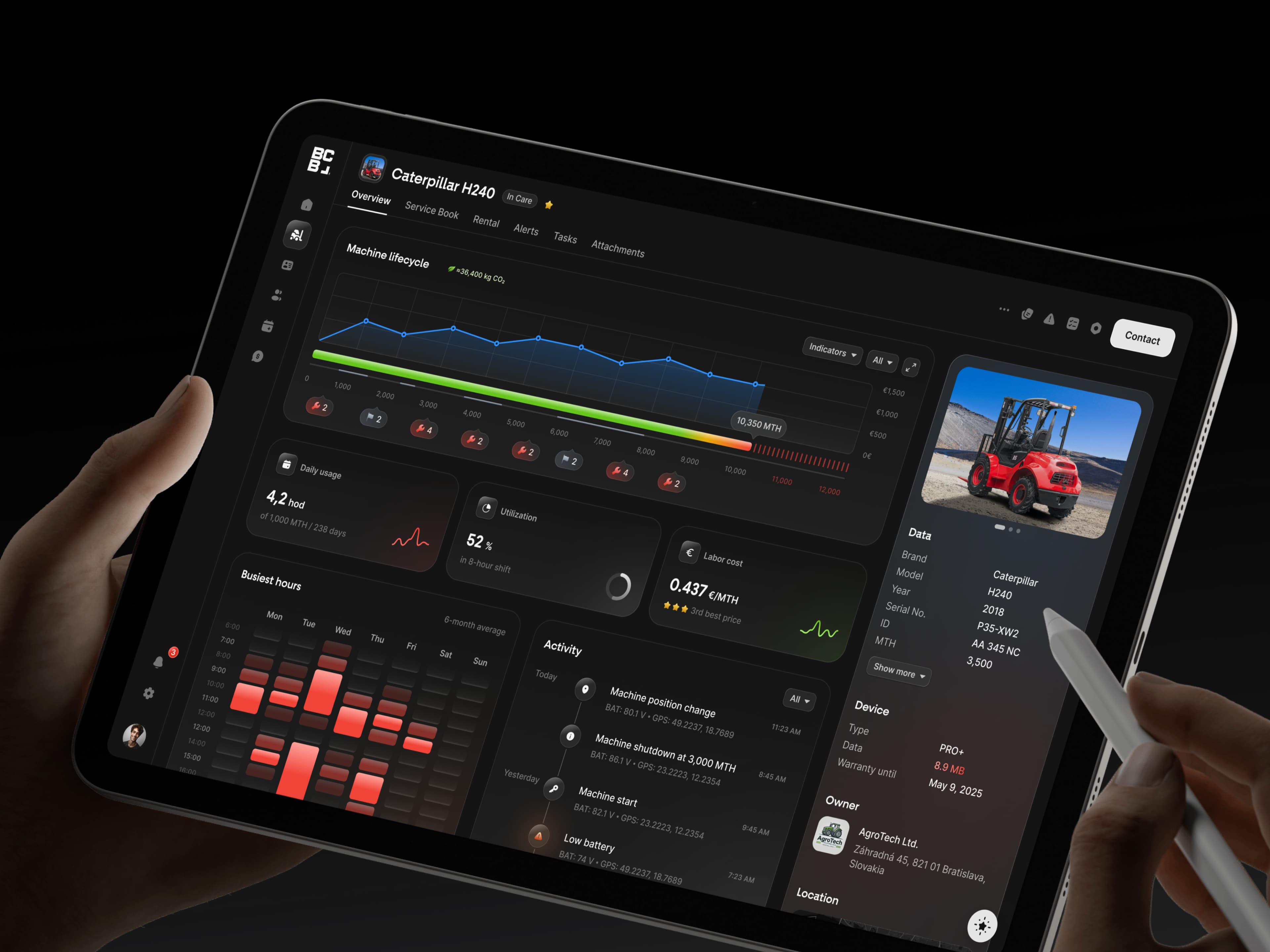
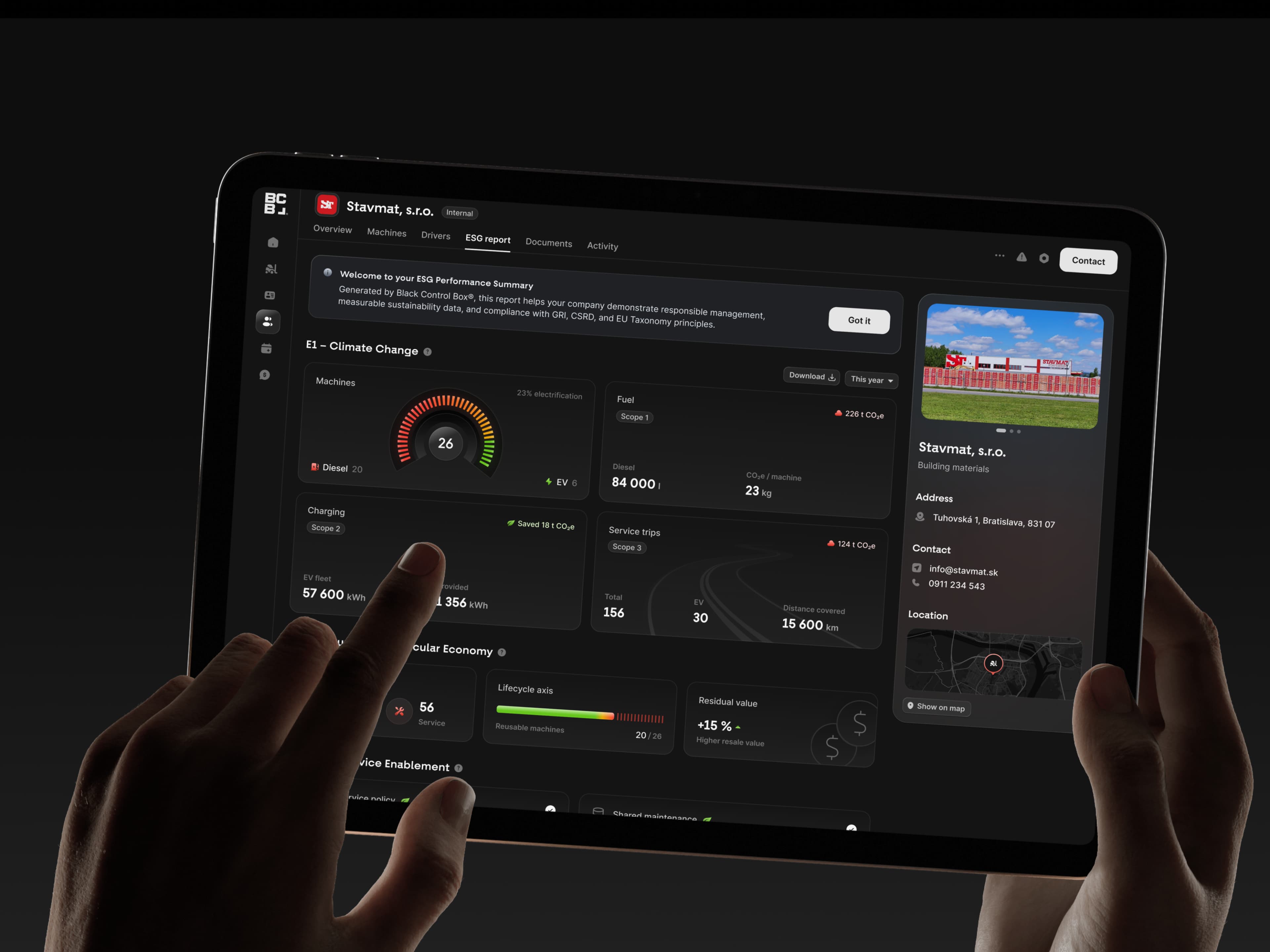
Working with the hardware partner, we connected machine readings to a shared map. Managers see usage, location and service status remotely, with the detail behind each machine one click away. A check that once meant a trip to the site now takes a glance.
04Service planning
Tasks that create themselves
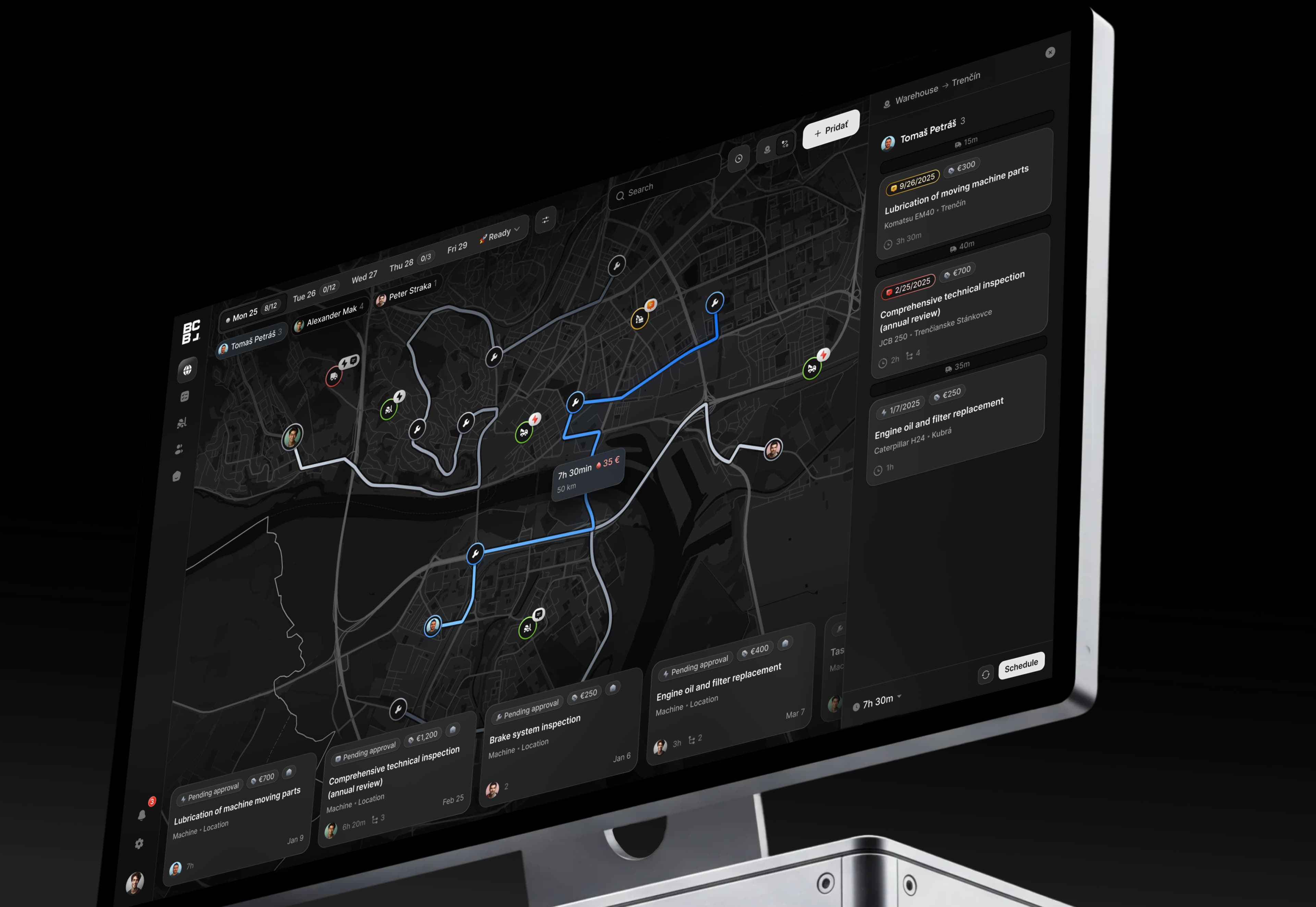
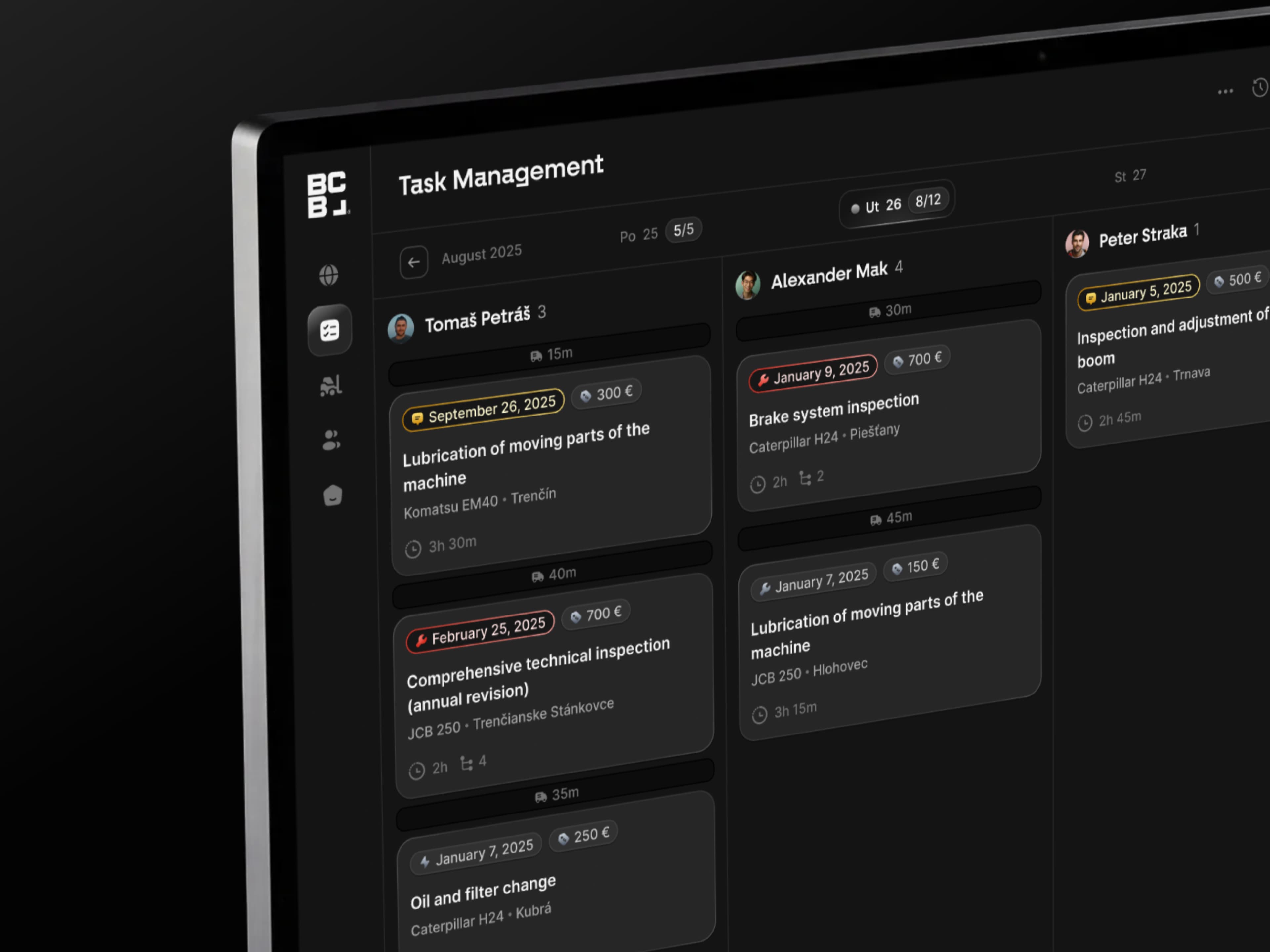
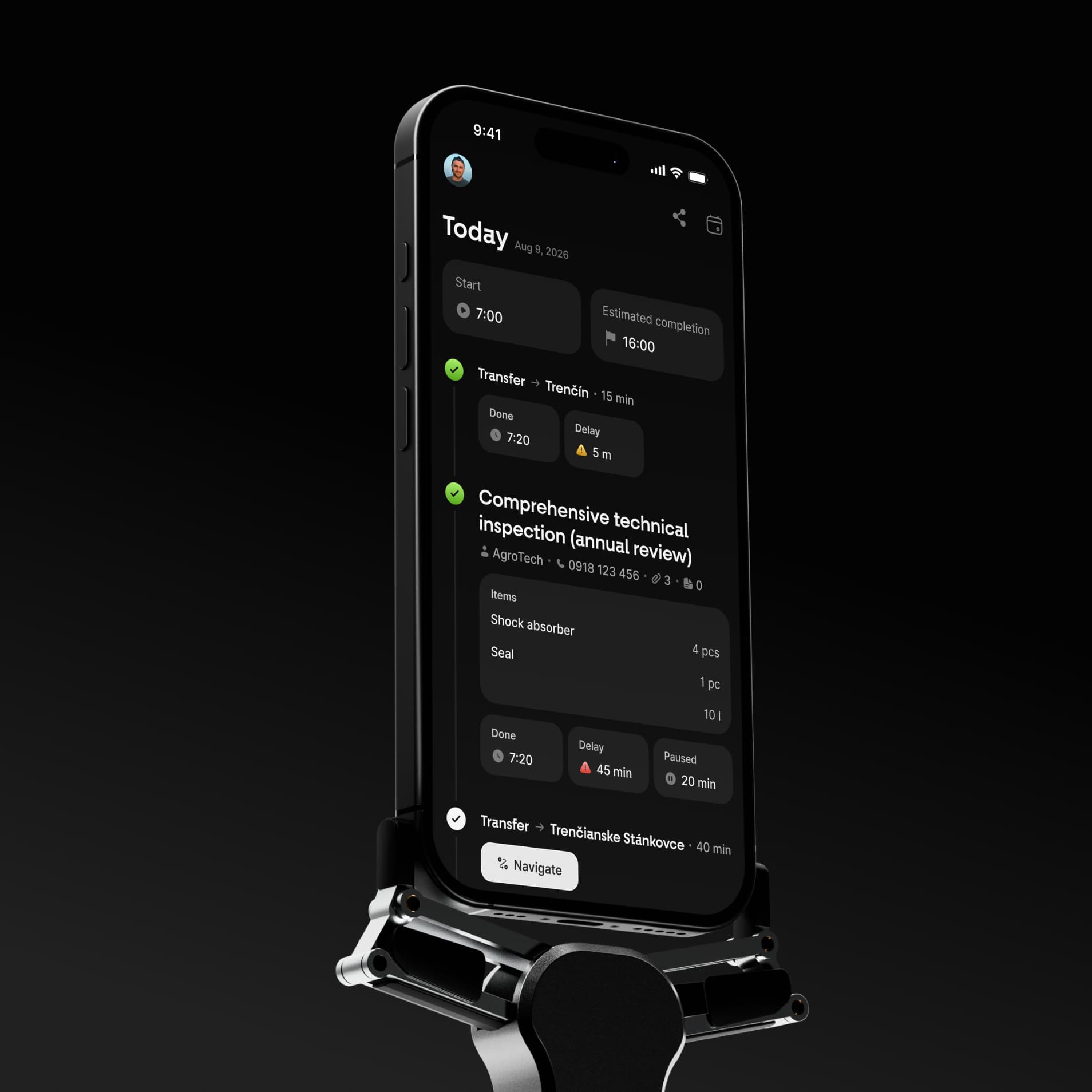
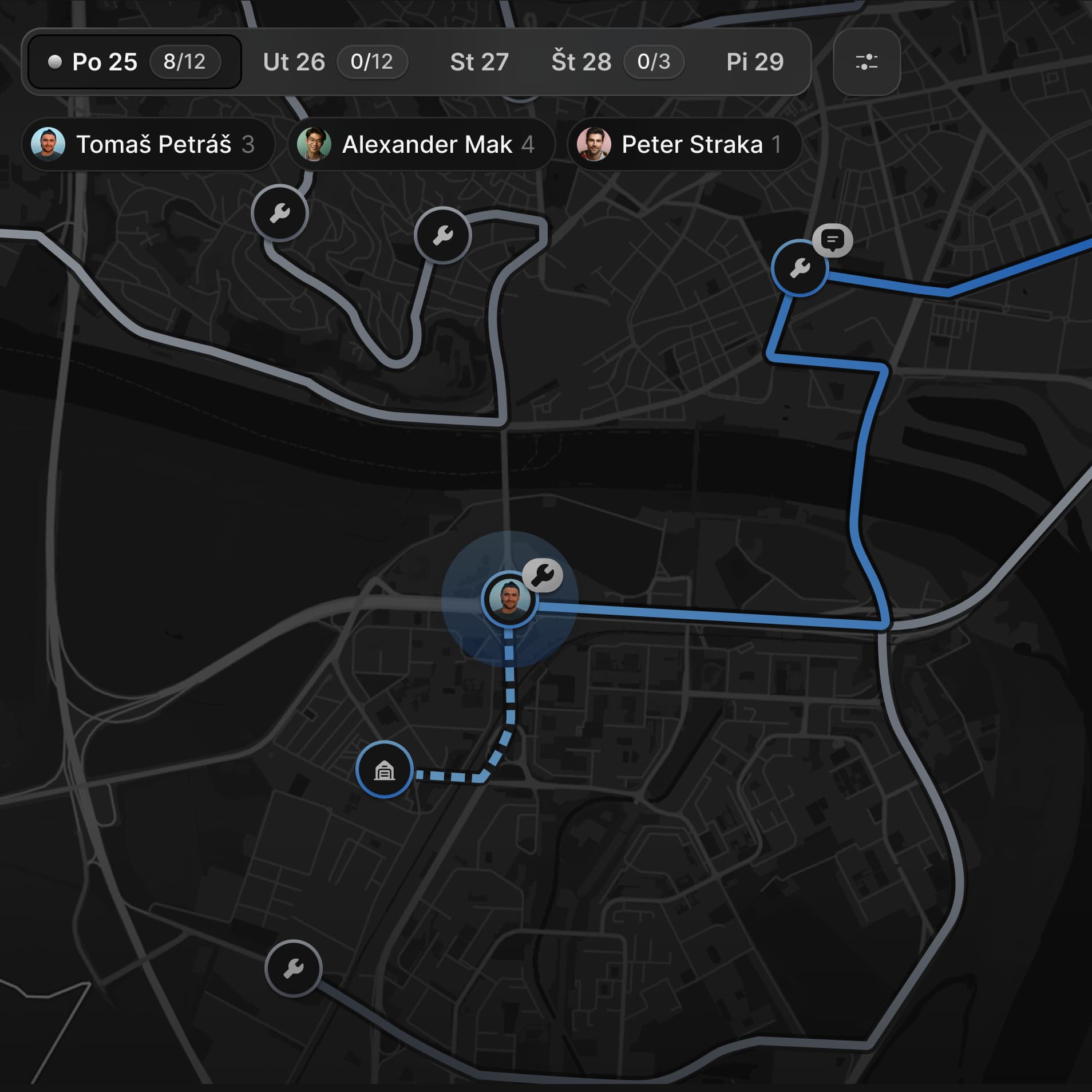
BCB Cloud creates tasks from each machine's service interval and brings assignments, progress and technician routes together. The service manager organises the day, and technicians follow a clear itinerary instead of a group chat.
05Machine records
Each machine's history, in one place
Paper records were easy to lose. We connected machine readings, warnings, tasks and service history in one digital record, so the team sees the context before planning the next job.
Device data is stored during signal loss and sent when the connection returns, so gaps in coverage don't mean starting over.
06Launch
From a hardware concept to a market-ready product
The platform was also built for licensing. Its modular structure gives the client a foundation for offering connected maintenance to other businesses, with services that adapt to each customer. That meant designing for a roll-out, not just a first release: onboarding, partner materials and launch videos came with the product.
- 01
Validate the foundation
We tested the connection between custom hardware and the platform while mapping the service team's daily work.
- 02
Build and connect
Regular reviews kept hardware, sales and service priorities aligned, and we prioritised a first version people could use from day one.
- 03
Prepare for launch
Alongside development we created onboarding materials, partner presentations and launch videos.
07Impact & proof
- 10,000+
- Connected fleet machines monitored across Europe
- 35%
- Reduction in unplanned equipment downtime
- 100%
- Offline-tolerant field service sync
Metrics published by BCB Cloud as of 2025 across active fleet monitoring operations.
Discovery
- Service workflow mapping
- Hardware and platform validation
Product design
- Fleet map and machine records
- Task board and technician itinerary
Engineering
- Hardware integration
- Offline-tolerant device data
- Licensable, modular platform
Launch
- Onboarding materials
- Partner presentations
- Launch videos